
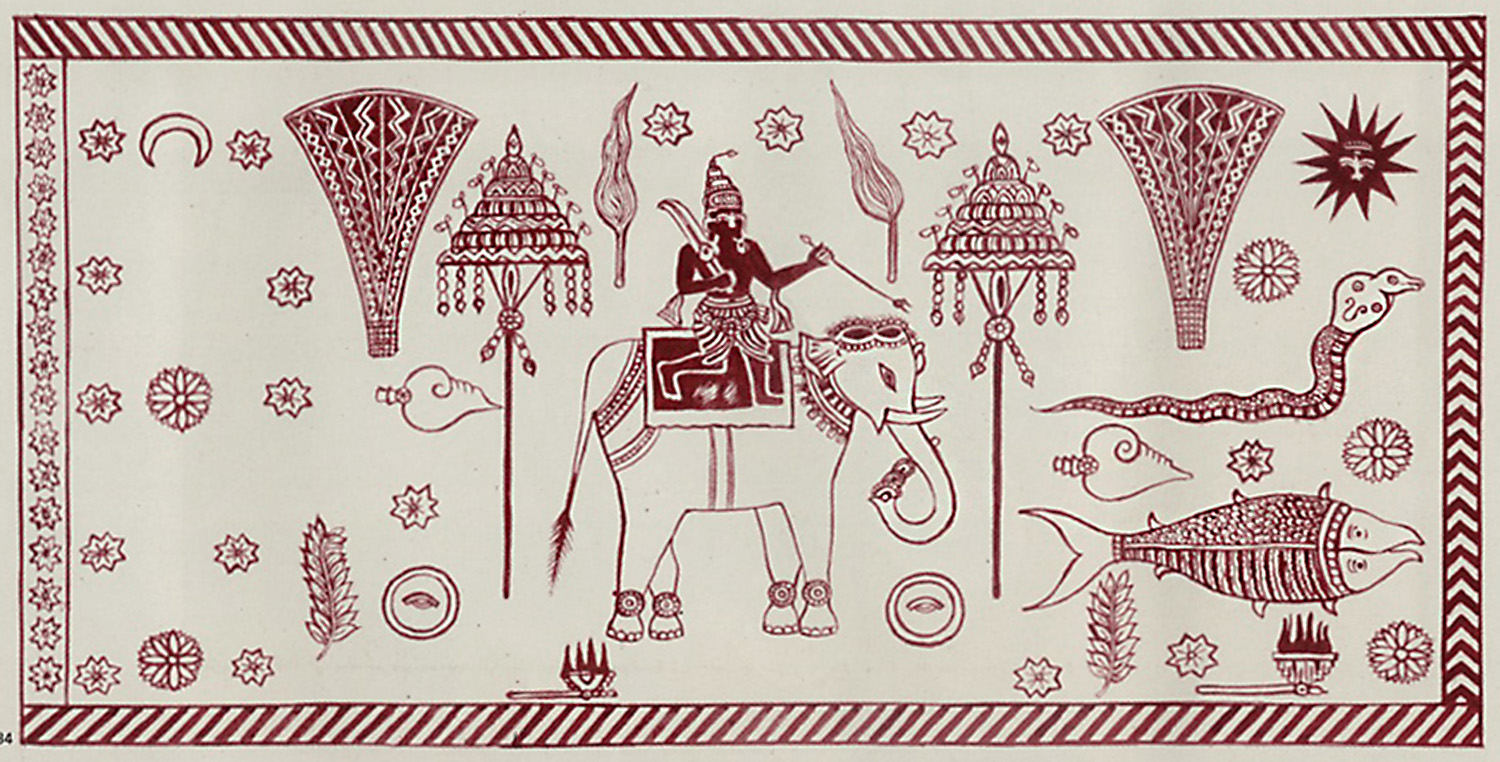
 This page collates and presents an extensive list of material gathered about the Karava caste, as we pursued the elusive past of our ancestors. The De Fonseka families were part of the Karava caste, and the information garnered from these sources gives us a holistic understanding of the past, and to the possible paths, the ancestors may have taken.
The material reproduced here reflect the views of the original authors and is reproduced as-is. They have been extracted from old books, caste pamphlets and newspaper articles published many decades ago, and the relevant publications and authors, have been mentioned where known.
The Origin Of Caste
These letters written by Mohotti Mudaliyar F. E. Gooneratna to the Ceylon Independent in 1921, gives us an interesting insight into the
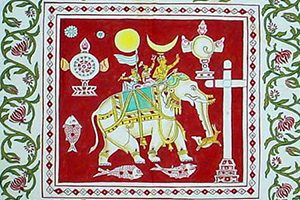
Karava – The early history
The early historical references of the Karava in Ceylon, up to and including the Portuguese period. The Karava people of Ceylon claim

Karava – The recent history
The Karava History from the arrival of the Dutch, to the British period. The Dutch came over to the help of Rajasinghe
Rise of the Karava in the pre Plantation Economy
The rise of the Karava during a time of expanding commercial opportunities From the time of the Portuguese/Dutch rule and the early
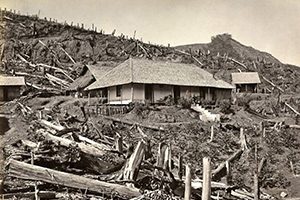
Rise of the Karava: The transition to a Plantation Economy
The meteoric rise of the Karava during the great economic expansion of the plantation era. The British continued the Dutch practice
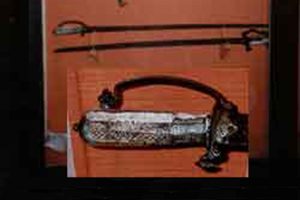
The Karava swords
Extract from the Journal of the Royal Asiatic Society (Ceylon Branch) Vol. XVIII of 1905 describing two inscribed swords, which have come
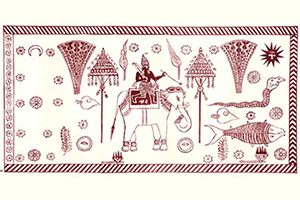
The Karava Flag
This well researched article, written in 1921 by Lionel de Fonseka, is referred to by almost all subsequent ‘Karava’ historians. The article

Karava ‘Ge’ Names
The ‘Ge’ names of the Karava explained. The institution of the ‘Ge’ name is somewhat slowly disappearing from the naming conventions of
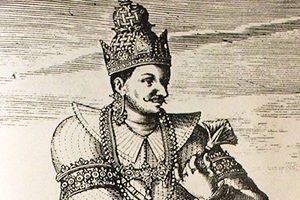
Kaurava greats of Yesteryear
From the time of Vijaya to the British Period, a list of Karava greats, who had made a mark in the contemporary
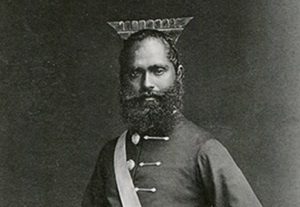
Karava Mudaliyars and Muhandirams during the British Period.
Hon. Governor North employed a member of the Karava caste, one of the two main casts, as the chief secretary in the
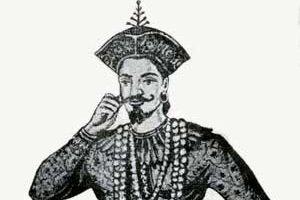
Antonio Baretto; the Prince of Uva.
Antonio Baretto, the legend, his military exploits and bravery is mentioned in many historical books of early Ceylon. Baldaeus’ ‘Description of Ceylon’,
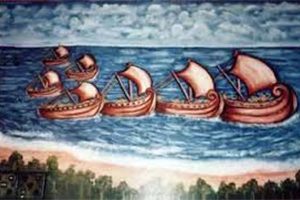
The Maravar Suitor
Romance Revisited . . . it wasn’t his bride he found.This story of romance is about a clan of Hindu Karavas, off
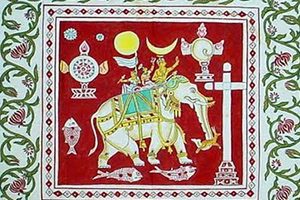
The Manampitiya Banner
Another important flag of the Karave is known as the ‘Manampitiya Banner’, since it was discovered in the Tamankaduwa area. The image
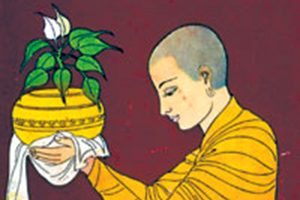
The Sacred Bodhi, It’s arrival and those connected with it.
The Sri Maha Bodhi, the oldest tree in the world, still venerated by millions of Buddhists, is a source of pride and
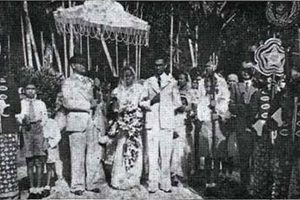
The Varnakula Addittiya Arasanilayitta Clan
A Karava Wedding Of the three great Suriya Clans of the Kaurawa Ethnic group, one is the Varnakula . The migration of

Karava Caste Phamplets
Don Manuel D’Anderado, Mudaliyar. The Hero of’ Jaffnapattam 1658Some Karava caste pamphlets of 1940’s debating a newspaper article on Don Manuel D’andrado’s
Caste system in Ceylon
Caste system in CeylonA Study of the Caste System prevalent among the Singhalese and the Tamil people of Sri Lanka – extracts

The Karava Marriage “Cartels”
A Study of the inter marriages between the dominant karava families, and the cross cousin marriages within the family. The Marriage alliances
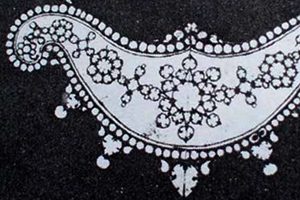
Patangatims; The traditional sub-kings of Sri Lanka
Patabendigé Kings, Rulers and Sub Kings.This article by Raaj de SIlva explores the role of Patangatims and the ‘Ge’ name of Patabandige. Left:
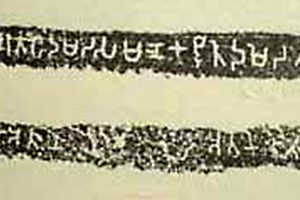
The ancient ‘Kaurava Pavilion’ at Anuradhapura
by Raaj de Silva The migrations of the Karava clans are mostly attributed to the Kotte period, but certain inscriptions found in
THE RISE OF THE KARAVAS – Michael Roberts
COMMENTS by F. B. Wijayanayaka In this series of articles written by F. B. Wijayanayaka and published over four issues of the
Kshatriya Fishers and Their Counterparts
Any misapprehension regarding them is due to utter ignorance says Gustavus Jayewardene. The Kshatriya fishers of Negombo and Moratuwa have been